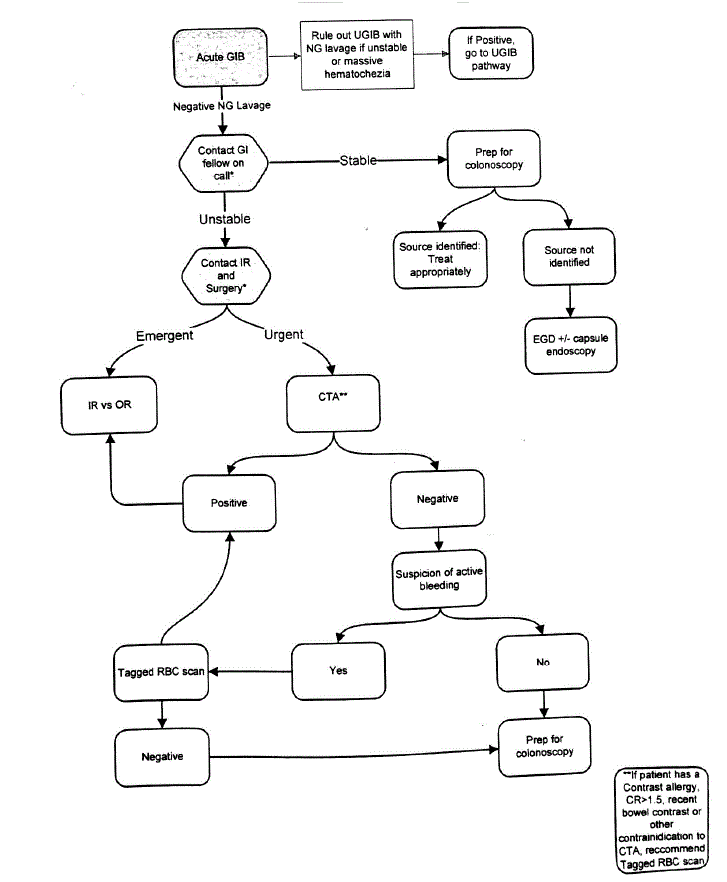
KEY:
Acute GIB = Acute GastroIntestinal Bleed
UGIB = Upper GastroIntestinal Bleed
NG Lavage = Nasogastric tube lavage (Injecting fluid and aspirating it back from a nasogastric tube will return blood if the bleeding is from the stomach or profusely from the duodenum/upper gastrointestinal tract)
GI fellow = Gastroenterology fellow
IR = Interventional Radiology
IR or OR = Interventional Radiology (For embolization procedure) or Operating Room for surgical resection
CTA = CT angiogram of the arteries to localize a bleed
Tagged RBC scan = Tagged red blood cell scan which is a more sensitive scan but may not correlate with angiographic findings as well as a CTA does.
EGD = Esophagogastroduodenoscopy AKA endoscopy
Interventional radiology embolization, surgical intervention or gastroenterology protocol for treatment of GI bleeds.
Frequently Asked Questions
What is the first step in managing an acute GI bleed?
The first step in managing an acute gastrointestinal bleed (GIB) is stabilizing the patient. This involves ensuring the airway is secure, assessing breathing and circulation, and starting IV fluids or blood transfusions if necessary to maintain hemodynamic stability. Initial assessment also includes identifying the source of bleeding and determining whether it is an upper or lower GI bleed, often with procedures like nasogastric lavage.
How does a CT angiogram help in GI bleed diagnosis?
A CT angiogram (CTA) is used to localize the source of a GI bleed by visualizing the arteries and identifying active bleeding sites. It is a non-invasive imaging technique that can quickly provide detailed images of blood vessels, helping guide further treatment options such as embolization or surgery.
What role does interventional radiology play in treating GI bleeds?
Interventional radiology (IR) plays a crucial role in treating GI bleeds through a procedure called embolization. This minimally invasive technique involves inserting a catheter into the blood vessels to deliver agents that block or reduce blood flow to the bleeding site, effectively controlling the hemorrhage without the need for open surgery.
When is surgery required for a GI bleed?
Surgery may be required for a GI bleed if less invasive treatments, such as endoscopy or interventional radiology, are unsuccessful or if the patient is unstable and needs immediate intervention. Surgical options include resecting the bleeding segment of the GI tract or performing repair procedures, depending on the location and cause of the bleed.
What is the difference between a CTA and a tagged RBC scan?
A CTA (CT angiogram) provides a detailed view of blood vessels and can quickly localize active bleeding, making it useful for acute situations. A tagged RBC scan involves labeling red blood cells with a radioactive tracer to detect bleeding over time, offering higher sensitivity but sometimes less precise localization compared to CTA.
How effective is NG lavage in diagnosing GI bleeds?
Nasogastric tube lavage can be an effective initial diagnostic tool for upper GI bleeds. By flushing the stomach with fluid and aspirating it back, clinicians can determine if bleeding is present in the stomach or upper GI tract. However, its effectiveness can vary, and further imaging might be needed to confirm the source of bleeding.
Minimally invasive treatment options for gastrointestinal bleeding
Other treatment options
- Endoscopic treatment
- Blood transfusion
- Surgery
All procedures · Device library